Chinese name
拉卜楞寺 (Labuleng Si / Labrang Monastery)
One of the most important Tibetan Buddhist monasteries outside Tibet.
Best time
June to September
Duration
Full day
Location
Labrang Monastery, Xiahe, Gannan Tibetan Autonomous Prefecture, Gansu, China
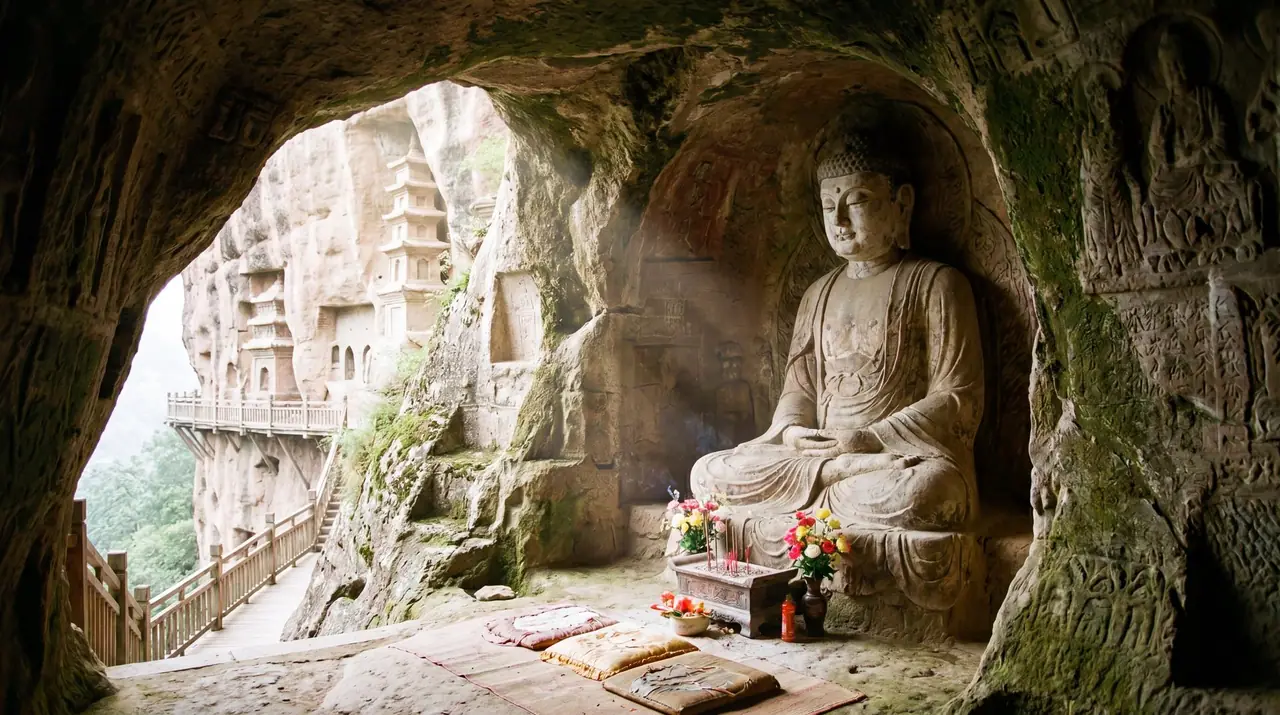
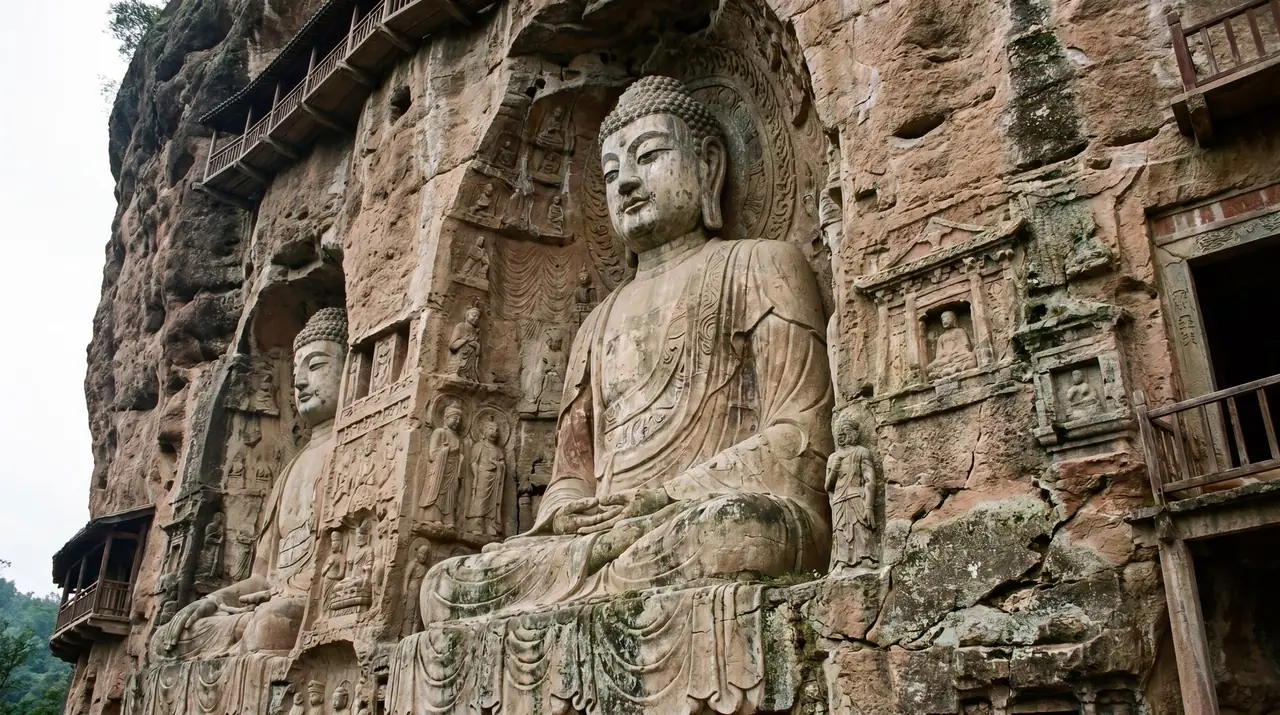
Why this stop matters
Labrang is not a museum piece — it is a living, breathing monastery where thousands of monks still study, debate, and pray. The scale is staggering: the prayer wheel circuit alone takes an hour to walk, and the labyrinth of chapels and colleges seems endless. Yes, it is touristy (Xiahe has become a popular domestic destination), but the monks pay visitors little mind, and the atmosphere of devotion is palpable. The best moment is dawn, when the monastery is still quiet and the only sound is chanting from the main assembly hall. The surrounding grasslands are beautiful but increasingly developed — temper your expectations of untouched wilderness.
The first thing to understand about Labrang is that it is not a museum with opening hours and a gift shop at the end. It is an active monastery with thousands of monks, colleges, chapels, and a daily rhythm that does not stop for visitors. That is also what makes it worth the trip.
The practical implication is that you are a guest in someone else's religious space. Dress modestly, walk clockwise, keep your voice down in halls, and accept that some places are closed to photography or closed entirely on certain days. None of this is restrictive if you arrive expecting it.
Xiahe town has grown around the monastery with guesthouses, Tibetan cafés, and souvenir shops. It is more developed than people imagine, but the monastery itself still dominates the town in a way that few religious sites in China still manage.
The kora — the circuit of prayer wheels around the monastery — is the single best way to understand the place. It runs for several kilometers, and locals walk it with a seriousness that makes the tourist photo stops look incidental. Go clockwise, follow the flow, and do not cut across the circuit.
Early morning is the strongest time: the light is low, the circuit is busy with pilgrims, and the monastery feels less like a destination and more like a working institution. Dawn is also when you are most likely to hear chanting from the assembly hall.
If you only have one morning, walk the circuit first and then join a guided monastery visit. Doing it in the opposite order tends to leave you following a tour group without ever seeing the place function on its own terms.
Xiahe sits high enough that altitude is a real consideration, especially if you arrive quickly from Lanzhou. Do not plan a full day of walking on your first afternoon. Give yourself time to acclimatize, drink water, and treat the first evening as a slow one.
Shoulders and knees covered is the basic dress code for monastery halls, and it is enforced unevenly enough that you should just assume it applies. A light layer helps with both sun and temperature swings.
Photography rules vary by hall, but the safe assumption is no photos inside chapels. Ask before photographing monks, and do not treat prayer ceremonies as content. The experience is better when you put the camera down anyway.
Xiahe is usually reached from Lanzhou by road, a long but scenic drive, or as part of a Gannan loop with the grasslands and monasteries further south. The altitude and the distance make it a poor day trip and a good overnight stop.
One night is the minimum that feels worthwhile, two nights is better if you want to slow down, walk the circuit at different times of day, or add a grassland excursion. If your trip is already heavy on desert and Silk Road fortresses, Xiahe adds a completely different register.
Do not underestimate the travel time. The road route from Lanzhou can take most of a day depending on conditions, and trying to squeeze Xiahe into an already tight Hexi Corridor itinerary usually produces a rushed, unsatisfying visit.
The grasslands around Xiahe are beautiful, but they are not untouched wilderness. Fences, roads, and tourist infrastructure are part of the picture now. The best approach is to enjoy them as a lived-in cultural landscape rather than chasing an idea of pristine emptiness.
Sangke Grassland is the easiest short excursion from town. Further destinations such as Gahai Lake and Zecha Stone Forest take more time and are better suited to travelers with their own transport or an organized driver.
Summer is the most comfortable season, but it is also the busiest. Shoulder-season visits can be cold and unpredictable, yet the monastery often feels more genuine when the tourist pressure drops.
These are the on-the-ground details most likely to change how this stop feels.
This is the layer that helps the stop work in real life: Chinese naming, access, booking, passport checks, timing, and the actual level of on-site support.
Chinese name
拉卜楞寺 (Labuleng Si / Labrang Monastery)
Best base
Stay in Xiahe town. Most guesthouses and cafes sit within walking distance of the monastery circuit.
Booking reality
The main pilgrimage circuit is easy to do on arrival, but some halls, debates, or side visits depend on timing and local guidance.
Passport note
Carry your passport and hotel registration. Foreign travelers should keep documents close, especially when moving deeper into Gannan.
Timing strategy
Go early. Dawn or first light gives you the quietest circuit, the strongest atmosphere, and the clearest sense that this is still a living monastery.
English support
Outside a few guesthouses and cafes, English is sparse. Respectful behavior matters more than trying to explain too much.
Useful companions if you are shaping a fuller day or deciding whether to stay overnight.
Short answers to the decisions that come up most often before and during a visit.
Most travelers reach Labrang Monastery via Xiahe town, usually by road from Lanzhou or as part of a Gannan loop. The drive from Lanzhou takes most of a day, so treat Xiahe as an overnight stop rather than a day trip.
Xiahe is high enough that some travelers feel the altitude on their first evening, especially after a fast arrival from Lanzhou. Take the first afternoon slowly, drink water, and avoid planning a full day of walking immediately.
Cover your shoulders and knees, and dress modestly inside monastery halls. Walk clockwise around the prayer wheel circuit and stupas, and ask before photographing monks or ceremonies.
One night is the minimum worth doing, and two nights is better. Two nights let you walk the prayer circuit at different times, adjust to the altitude, and add a short grassland excursion without rushing.
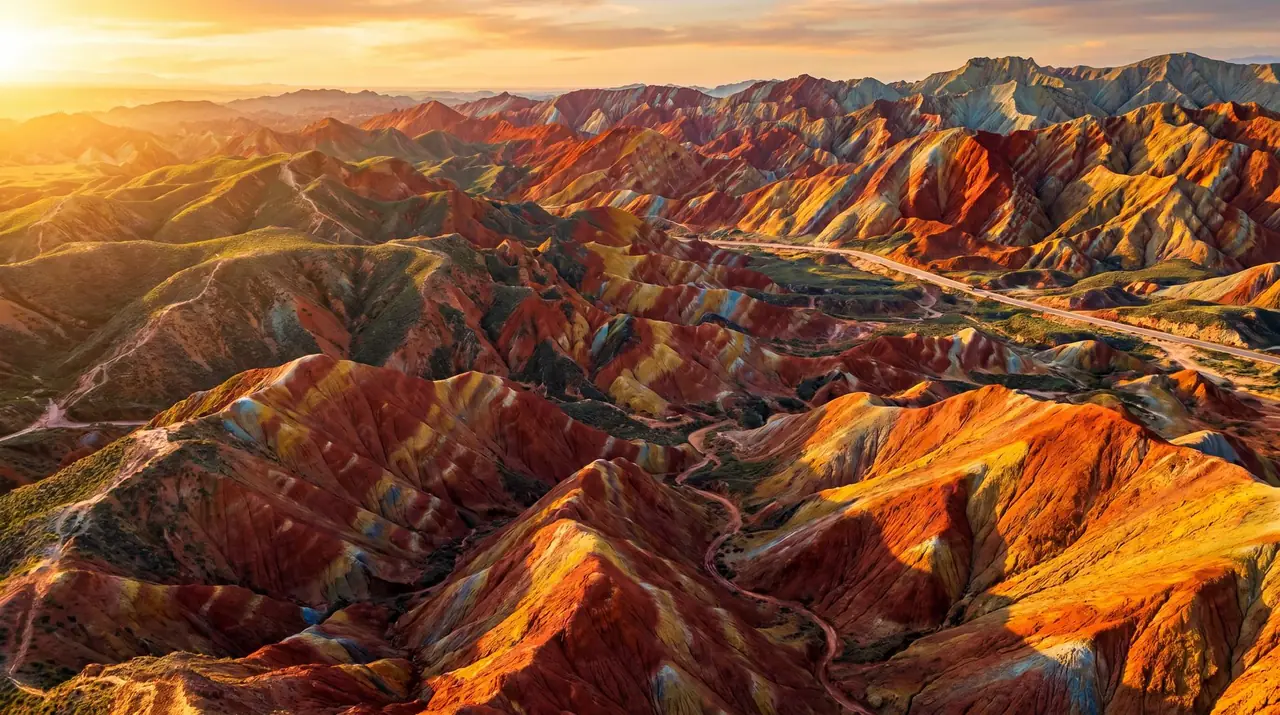
Gansu's continental climate means dramatic seasonal variations. Understanding the weather patterns will help you choose the perfect time for your visit.
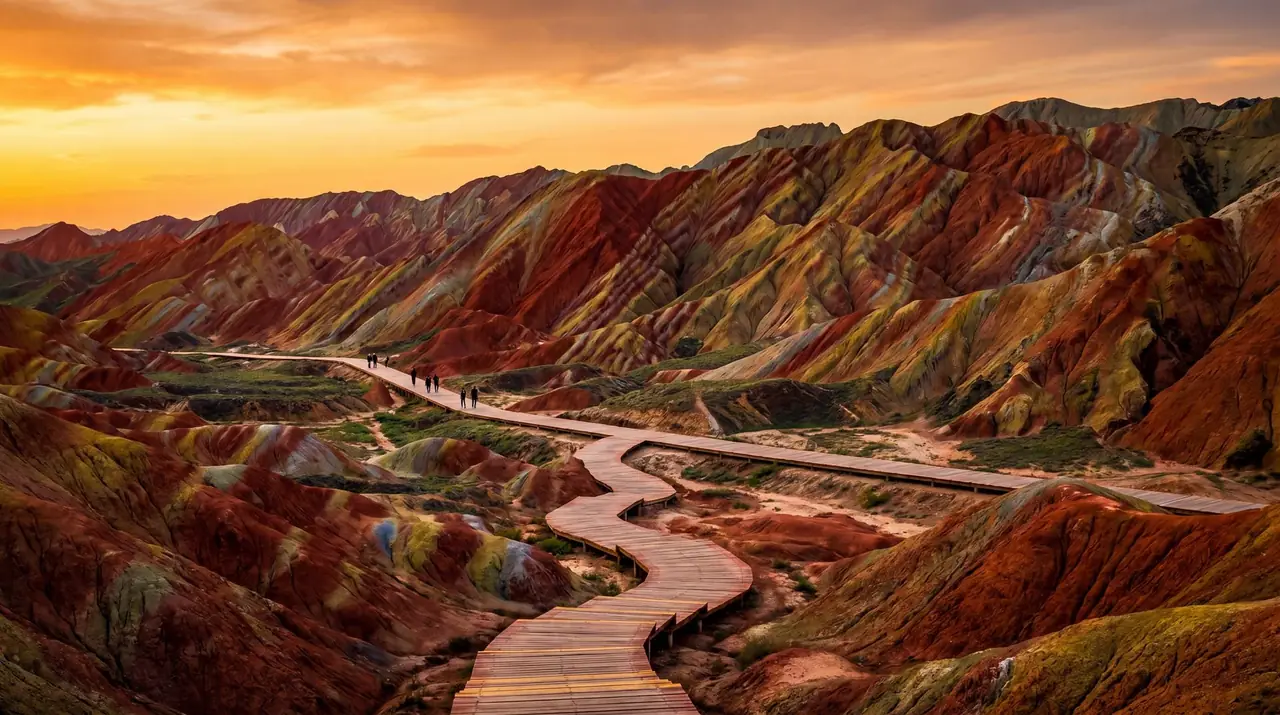
Packing for Gansu requires preparation for varying altitudes, temperatures, and outdoor activities. Here's your complete packing guide.
If this stop is a must but the rest of the province still feels too wide, send us the draft plan and we can help tighten the sequence.
Best fit if you already know your dates, route draft, or must-keep stops.
Prefer to write directly? WhatsApp +8618611344921 or muxiaoxin@gmail.com.