Lanzhou Layover Guide: 4, 8, and 12-Hour Plans
Lanzhou is more than a transfer node. A well-planned layover of 8 hours or more is enough to understand why the city matters to the province.
Why this page exists
Many travelers arrive in Lanzhou, sleep, and leave immediately. That works logistically, but it misses one of the province's most useful orientation points. The museum, the riverfront, and the food scene give valuable context for everything that comes later — provided your layover is long enough to leave the airport.
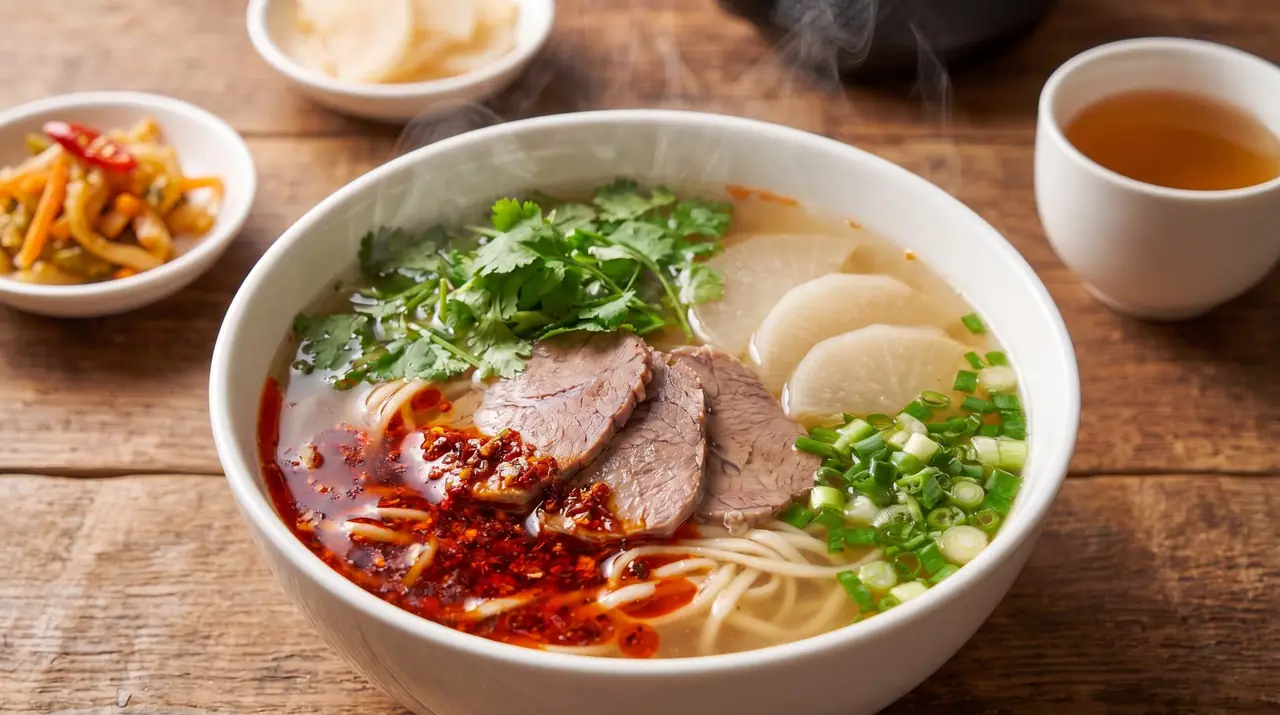
First, check where your layover actually is
Lanzhou Zhongchuan Airport is far outside the city. The transfer to central Lanzhou can take an hour or more depending on traffic and your transport choice, and you need the same time back plus security. This single fact determines whether your layover is a city visit or an airport wait.
A layover at Lanzhou West Railway Station or Lanzhou Railway Station is completely different. Both are in the city, and a few hours between trains is enough for noodles and a short walk if you travel light.
Be honest about your buffer. If you have an international or onward flight, leave more time than feels necessary. Gansu traffic and airport distance are not the places to cut corners.
4 hours or less: do not force a city visit
If the four hours are at Zhongchuan Airport, stay at the airport. By the time you reach the city, eat, and return through security, you will have created stress without seeing anything properly.
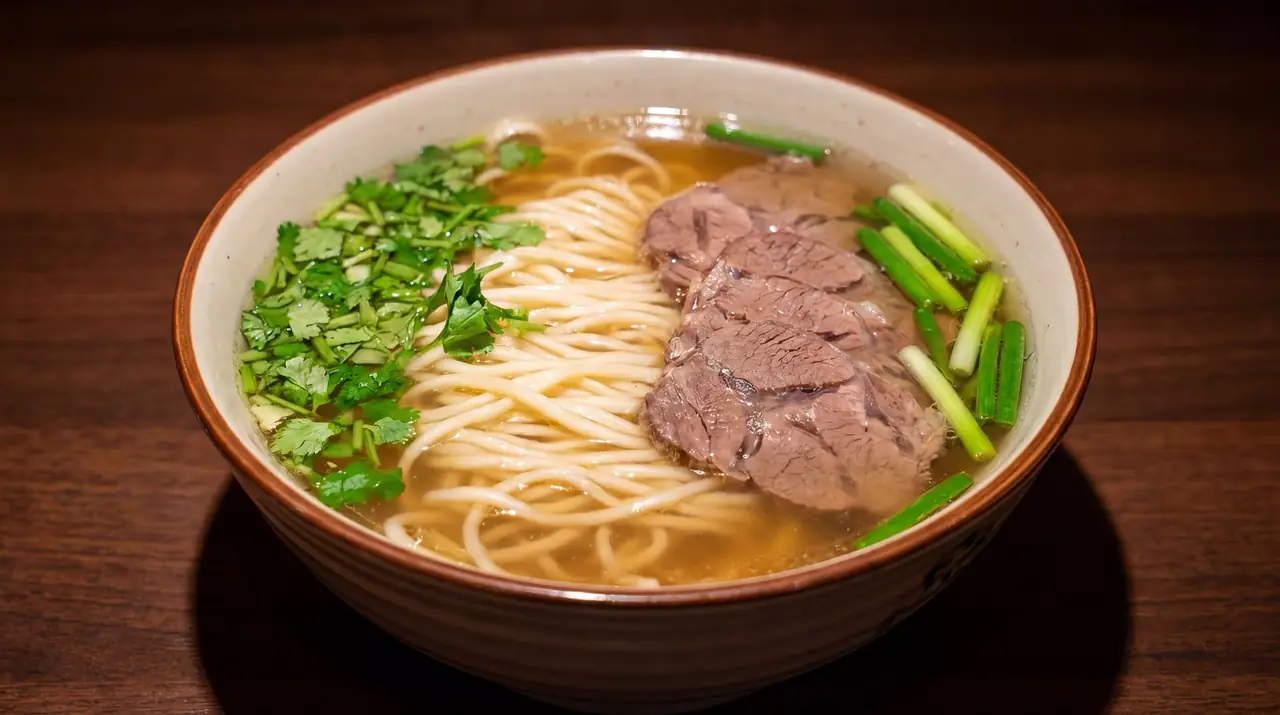
If the four hours are at a city train station, keep it simple: leave your bags at storage, eat a bowl of beef noodles nearby, and walk a short stretch of the Yellow River. Do not attempt the provincial museum.
The exception is a late-night transfer with no sleep needed and a local contact who knows the city. Otherwise, accept the airport meal and save Lanzhou for a real visit.
8 hours: noodles, the river, and one proper stop
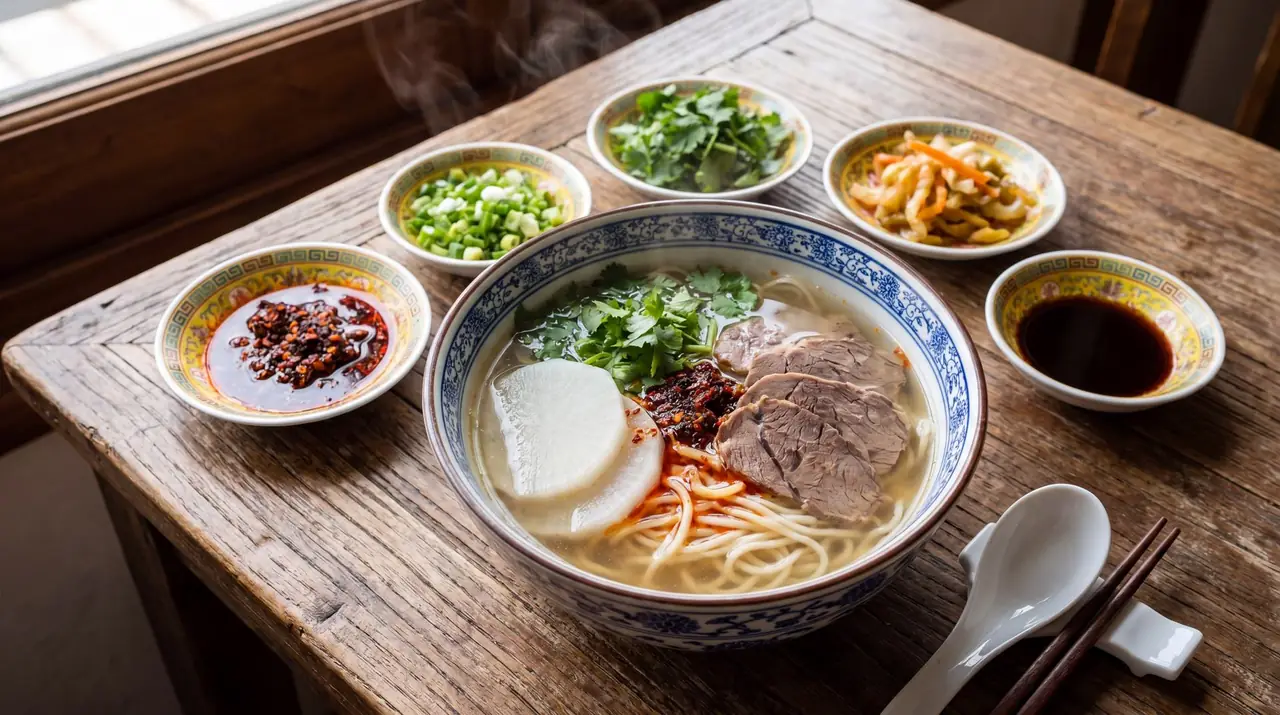
With eight hours from the airport, you have time for exactly one significant city experience plus food. The most reliable version is beef noodles on arrival, then the Yellow River promenade and Zhongshan Bridge, then a relaxed meal before heading back.
Do not squeeze in the Gansu Provincial Museum on an eight-hour airport layover. It deserves two hours, and the transfer math leaves no room for delays. Choose either the museum or the riverfront, not both.
If your luggage can be stored at the airport or station, travel light. Dragging bags around the riverfront is the fastest way to make a manageable layover feel exhausting.
12 hours or a full day: the complete plan
A full day is the version that actually does Lanzhou justice. Start with beef noodles before 9 AM, go to the Gansu Provincial Museum, then take a slow afternoon along the Yellow River and cross Zhongshan Bridge near sunset.
Add White Pagoda Mountain if the light is clear and your legs still work. Finish with dinner around Jingning Road or a quieter neighborhood restaurant, then allow a full hour to get back to the airport.
If your flight leaves late at night, the order works. If your flight leaves in the early evening, drop the mountain and protect the museum-to-airport transfer instead. A rushed final hour undoes the value of the whole day.
A good one-day shape
Start with beef noodles early, before the city's better shops lose their edge. Use the museum next, when your energy is still high and the Silk Road context can do the most work.
Keep the evening flexible for a river walk, a market, or a second meal rather than filling the day with low-value landmark hopping.
What Lanzhou is good at
Food, movement, and context. It is a province-level transport hub, but it is also one of the best places to understand the trade, migration, and everyday life behind Gansu's travel story.
That makes it especially useful at the start of a trip, when you still need to set the tone for the route.
When to stay longer
Stay an extra night if you want a slower museum visit, deeper food wandering, or a day trip structure around Bingling Temple.
Otherwise, one well-used day is enough to keep Lanzhou from becoming just a transfer receipt in the itinerary.
Relevant destinations
Related planning answers
FAQ
5-day Gansu itinerary?
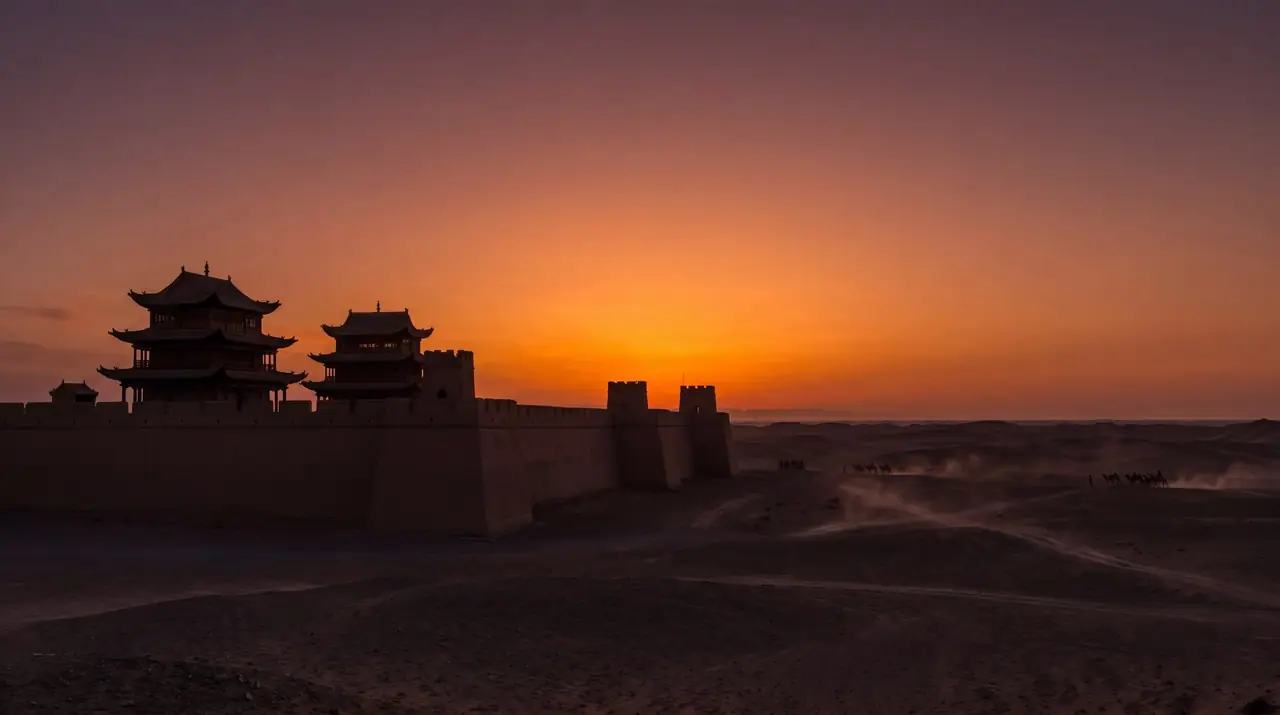
This 5-day itinerary covers the essential highlights of Gansu's Hexi Corridor, from Lanzhou's noodles to Dunhuang's ancient caves.
Read answer
FAQ
How to get around Gansu?
Gansu's transportation network has improved dramatically with high-speed rail connecting major destinations. Here's how to navigate the province.
Read answer
FAQ
What to eat in Gansu?
Gansu's cuisine reflects its position on the Silk Road, blending Chinese, Hui Muslim, and Tibetan influences into unique and delicious dishes you won't find anywhere else.
Read answer
More guides in the same planning lane
City Guide
Xiahe Travel Guide: Labrang, Grasslands, and the Right Pace
Xiahe works best when you give it time for monastery rhythm, altitude adjustment, and the quieter parts of town beyond the checklist.
Open guide
Destination Strategy
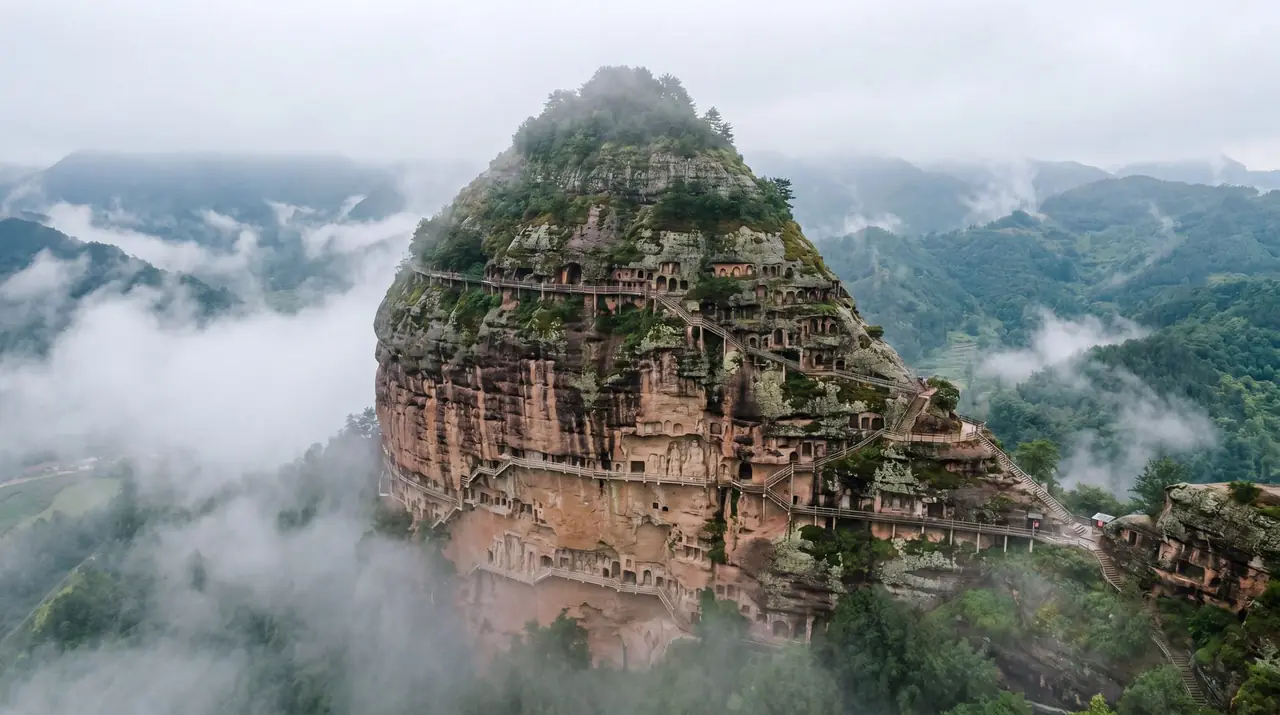
Tianshui and Maijishan: A Strong East Gansu Detour
Tianshui is not the province's headline city, but Maijishan makes it one of the smartest detours for travelers who care about cave art and quieter historical sites.
Open guide
Food City Guide
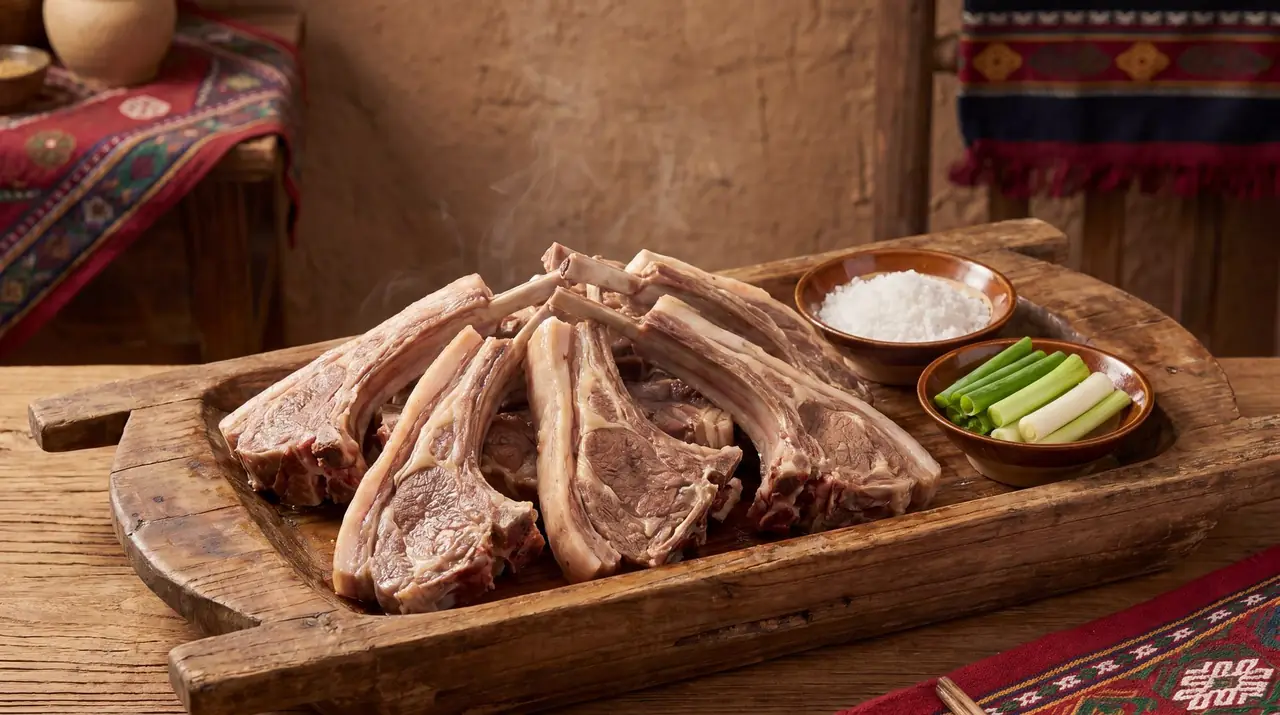
Linxia Halal Food Guide: One of Gansu's Most Underrated Eating Stops
Linxia is one of the clearest places to understand the Hui Muslim side of Gansu through food, rhythm, and daily urban life.
Open guide
Need this guide translated into an actual route?
If this page answers the narrow question but the overall itinerary still feels messy, send us the draft and we can help connect the pieces.
Best fit if you already know your dates, route draft, or must-keep stops.
Prefer to write directly? WhatsApp +8618611344921 or muxiaoxin@gmail.com.