Chinese name
兰州 (Lanzhou)
Capital city of Gansu, gateway to the Silk Road on the Yellow River.
Best time
April to October
Duration
1-2 days
Location
Lanzhou, Gansu Province, China
Why this stop matters
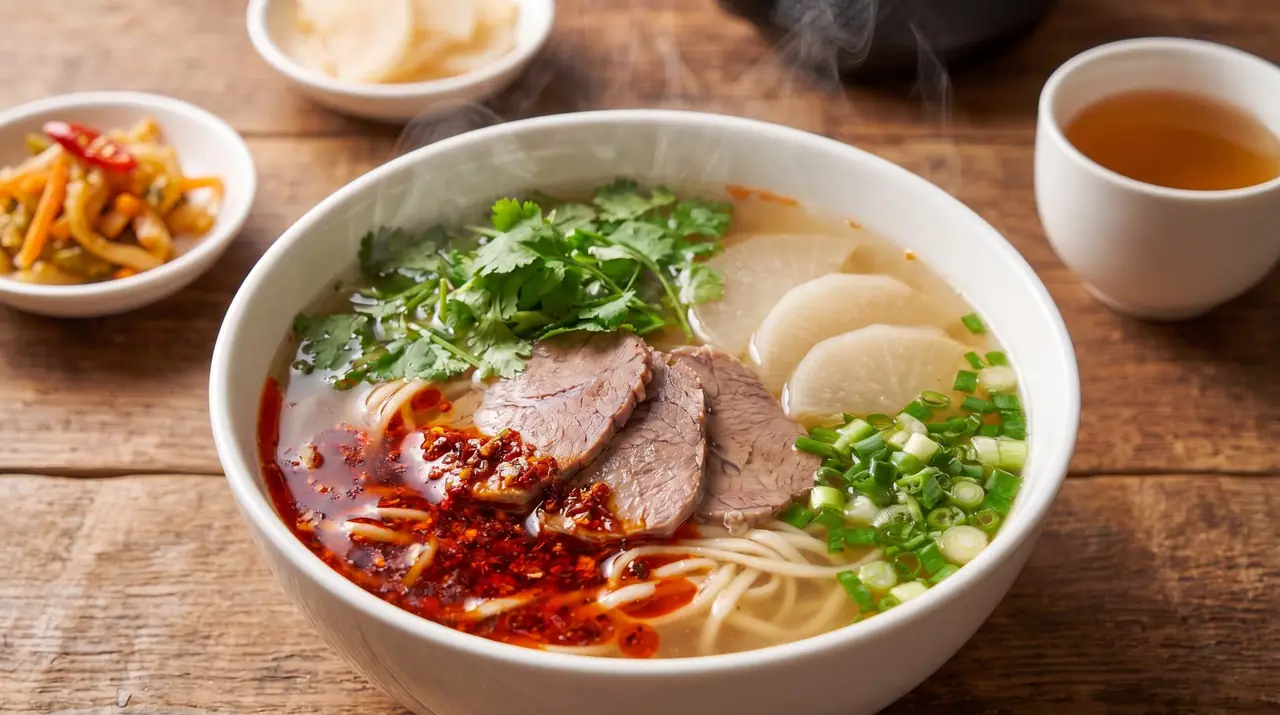
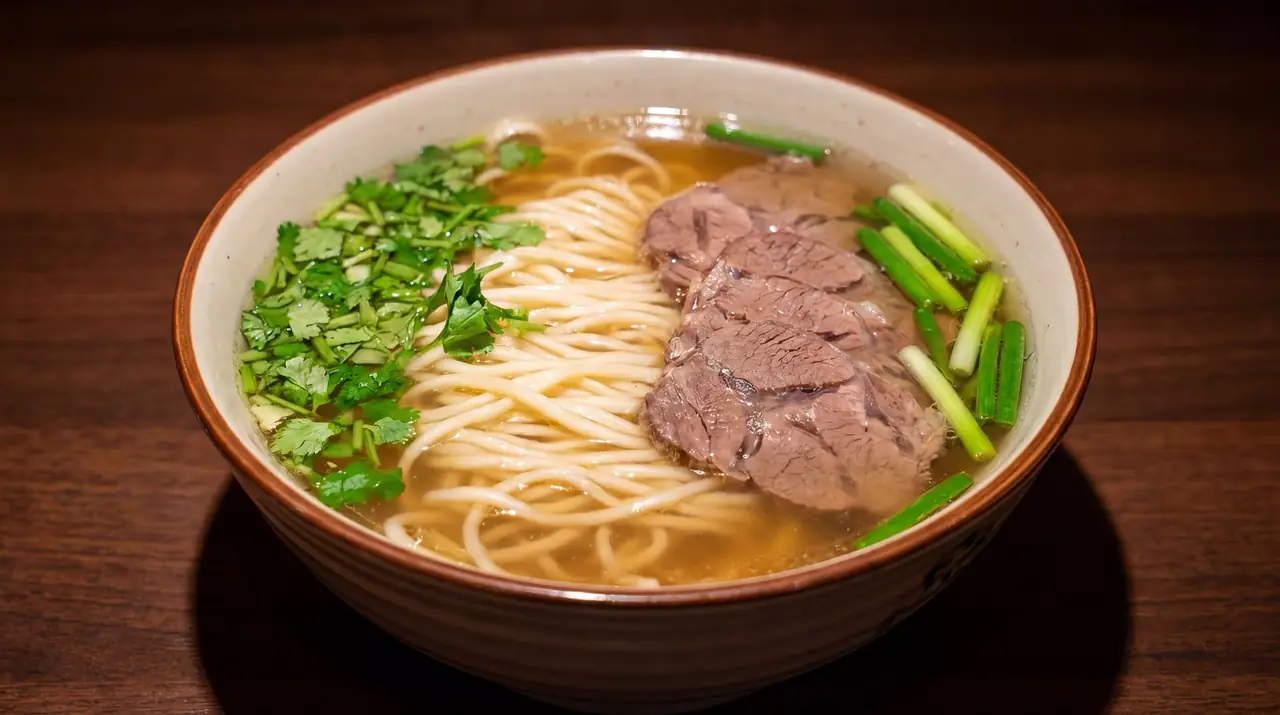
Lanzhou will not win any beauty contests — it is a gritty industrial city strung along the Yellow River, hemmed in by mountains and notorious for winter smog. But it is also one of the most interesting food cities in China, and the provincial museum is genuinely world-class. Most travelers treat Lanzhou as a transit hub, which is fair, but spend a full day here and you will discover a city with real character. The beef noodle shops alone justify a stop: this is where the dish was invented, and the standards are still impossibly high. Walk the riverfront at sunset, when locals dance, fly kites, and drink tea along the promenade.
Lanzhou is the capital of Gansu Province and the city most Gansu trips pass through whether they plan to or not. The Yellow River runs straight through it, the city is squeezed into a narrow valley, and the result is a long, linear place where "downtown" and "the other side of town" can mean a 40-minute drive.
For orientation, most visitors stay in Chengguan District, the central area around Zhangye Road, Xiguan, and the riverfront. Anning District sits on the west bank and is the university side of the city, while Xigu is farther west and mostly industrial. The airport is at Zhongchuan, well outside the city, so arrival planning matters more than it does in most Chinese provincial capitals.
Lanzhou will not win a beauty contest. It is dusty, busy, and sometimes smoggy in winter. But it is also the best place in China to eat a bowl of beef noodles, the Gansu Provincial Museum is genuinely first-rate, and the riverfront is one of the most sociable urban spaces in the northwest.
The Gansu Provincial Museum is the one sight I would not skip. Its Silk Road collection, including the Flying Horse of Gansu, gives context to everything you will see in Dunhuang, Zhangye, and Jiayuguan. Give it two hours minimum, and go early if you want the galleries before the tour groups.
The Zhongshan Bridge — the old iron bridge over the Yellow River — is worth fifteen minutes, not half a day. Walk across, look at the water, take the photo, and move on. White Pagoda Mountain on the north bank gives the best city view and pairs naturally with the bridge, though the climb is longer than it looks.
The Water Wheel Park is a pleasant riverfront stop rather than a destination in its own right. The real Lanzhou experience is the promenade itself in the late afternoon: people dancing, flying kites, drinking tea, and generally treating the riverbank as their living room.
Beef noodles are breakfast food here, and the good shops sell out of their best broth by mid-morning. Go early, order a bowl, and do not overthink the menu. Every local has an opinion about the best shop; the more useful rule is to follow the queue and avoid anywhere with photos of the food instead of a line of regulars.
Mazilu and the Jingning Road area are established starting points, and the alleys off Jingning Road are better for everyday eating than the main tourist strips. Zhengning Road Night Market is lively and convenient but priced for visitors; use it for atmosphere, not as your only food stop.
Beyond noodles, look for hand-grabbed lamb, niangpi, lamb skewers, and Hui Muslim bakeries. Lanzhou is also the natural launch point for Linxia, which has the deeper halal food culture, so a food-focused trip should treat the two cities as a pair.
Anning District sits on the west bank and is built around universities, which means food that is cheaper, faster, and more experimental than the central tourist areas. It is where you eat when you want a proper local meal rather than a convenient one.
The two areas worth knowing are the Jinniu Street food strip and the Peili Square area, both of which fill up with students in the evening. Expect barbecue, noodles, hotpot, and snack stalls, with menus that are mostly Chinese-only and prices that are noticeably lower than downtown.
Getting there is a taxi or bus ride across the river, usually 20–30 minutes from Chengguan depending on traffic. Do not expect much English, and do not go looking for a specific restaurant from an old blog post — the turnover here is fast. Go for the street, choose the busy stalls, and treat it as an evening rather than a checklist.
Start with beef noodles before 9 AM. Then do the Gansu Provincial Museum while your energy is high. Break for lunch, walk the Yellow River promenade in the afternoon, and cross the Zhongshan Bridge around sunset before climbing White Pagoda Mountain if the light is good.
Finish with dinner around Jingning Road or a quieter neighborhood restaurant. That is a full, realistic day without pretending you can also fit Bingling Temple or a day trip into the same schedule.
If you are on a layover rather than a full day, be honest about transit time. Zhongchuan Airport is far enough out that a four-hour gap is not enough for the city, let alone the museum. An eight-hour gap works for noodles and the riverfront; a full day is what the city actually deserves.
Lanzhou is the transport spine of a Gansu trip. High-speed trains run west toward Zhangye, Jiayuguan, and Dunhuang, and onward connections reach Xiahe via bus, Linxia by road, and Tianshui by rail. This is the place to put buffer time rather than the place to squeeze.
Stay in Chengguan if you want walkable food and easy station access. Stay near Lanzhou West Railway Station if you have an early train west, but accept that the immediate area is less interesting. Airport hotels make sense only for very early flights.
The best day trips are Bingling Temple Grottoes, reached by road and boat depending on the season, and Linxia for halal food and Hui Muslim culture. Both take most of a day. Xiahe is better as an overnight than a day trip, and trying to do it in one day defeats the point.
These are the on-the-ground details most likely to change how this stop feels.
This is the layer that helps the stop work in real life: Chinese naming, access, booking, passport checks, timing, and the actual level of on-site support.
Chinese name
兰州 (Lanzhou)
Best base
Treat Lanzhou as the main entry or exit hub for the province. It is the easiest place to reset, eat well, and organize onward trains.
Booking reality
If your route runs west into Zhangye, Jiayuguan, or Dunhuang, book those train legs earlier than you would for a normal China city break.
Passport note
Major hotels generally handle foreign guests, but smaller budget properties can still be inconsistent. Confirm before locking anything in.
Timing strategy
A single rushed night wastes the city. Lanzhou works best as a full food day, a museum day, or a recovery day between longer rail segments.
English support
This is one of the easier places in Gansu for foreign visitors, but you still want Chinese hotel addresses and station names saved offline.
Useful companions if you are shaping a fuller day or deciding whether to stay overnight.
Short answers to the decisions that come up most often before and during a visit.
Yes, for one full day at least. Lanzhou has the best beef noodles in China, a genuinely strong provincial museum, and an unusually lively Yellow River promenade. It is also the transport hub for the rest of Gansu, so most travelers pass through anyway.
Lanzhou is best known for beef noodles, the Yellow River, and its role as a Silk Road gateway. The Gansu Provincial Museum and Zhongshan Bridge are the main sights, while Anning District and the Jingning Road area are the best food neighborhoods.
Eat beef noodles early, visit the Gansu Provincial Museum, walk the Yellow River promenade, cross Zhongshan Bridge at sunset, and finish with dinner around Jingning Road. That is a realistic full day without adding a long day trip.
Chengguan District is the most practical base for first-time visitors, with walkable food, the riverfront, and easy access to both Lanzhou Railway Station and Lanzhou West Station. Stay near Lanzhou West only if you have an early train.
Zhongchuan Airport is well outside Lanzhou, so allow 60–90 minutes for the airport bus, taxi, or airport rail link depending on traffic and your arrival point. Do not plan a tight connection through the city on the same day.
Anning is on the west bank of the Yellow River, a 20–30 minute taxi or bus ride from Chengguan depending on traffic. Go in the evening, aim for the Jinniu Street food strip or the Peili Square area, and expect mostly Chinese-only menus.
Lanzhou is more than a transfer node. A well-planned layover of 8 hours or more is enough to understand why the city matters to the province.
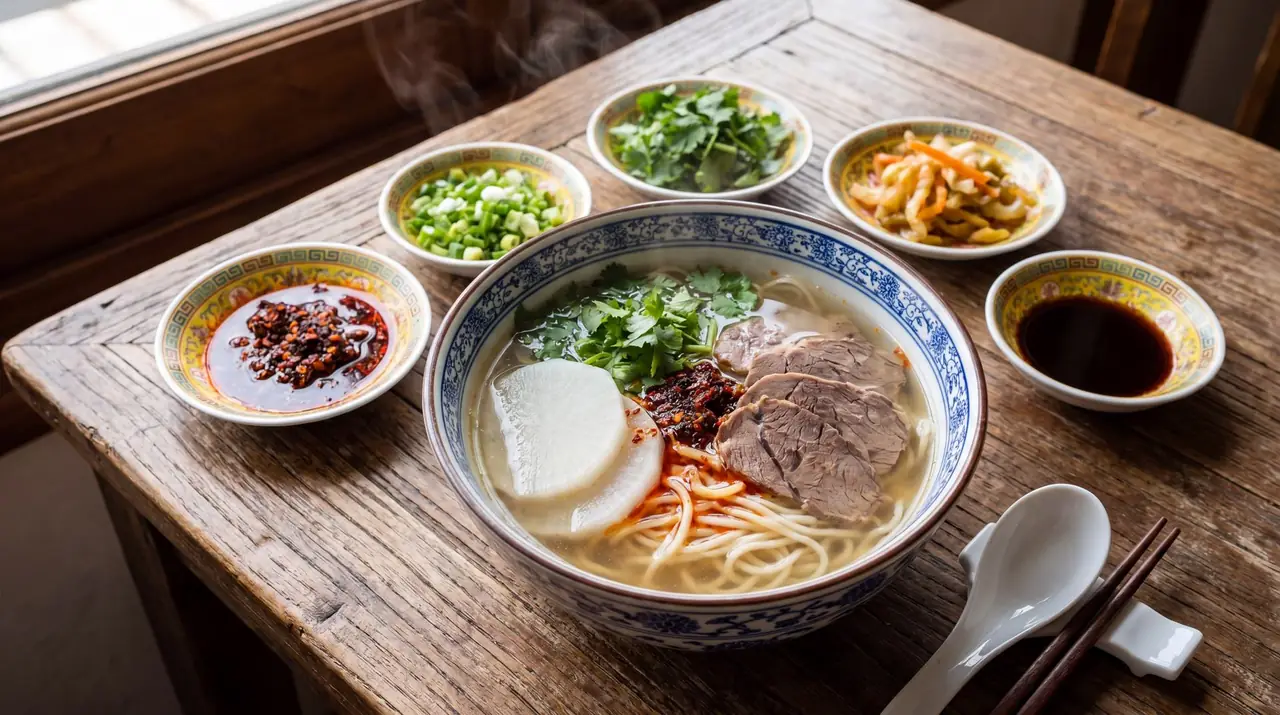
Anning is where Lanzhou students eat: cheaper, faster, less polished, and more useful than the tourist strips downtown. This is a practical guide to the area rather than a list of famous restaurants that may not exist by the time you arrive.
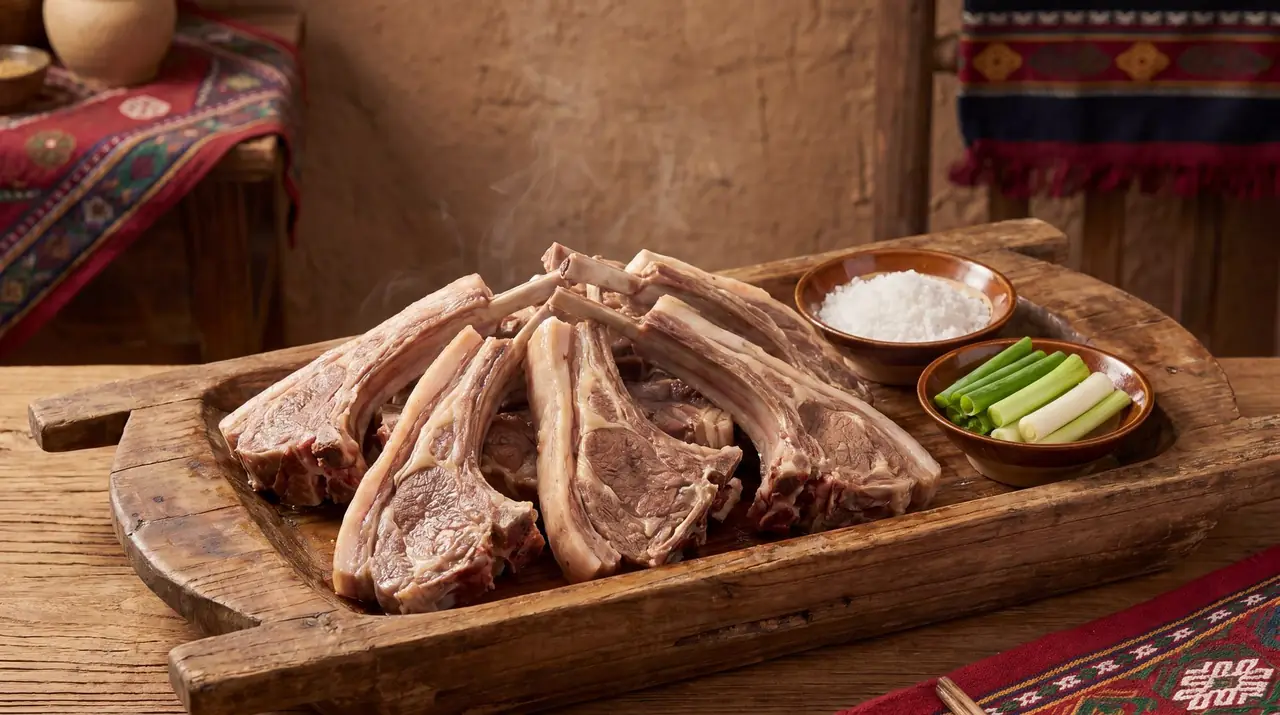
Linxia is one of the clearest places to understand the Hui Muslim side of Gansu through food, rhythm, and daily urban life.
Gansu's cuisine reflects its position on the Silk Road, blending Chinese, Hui Muslim, and Tibetan influences into unique and delicious dishes you won't find anywhere else.
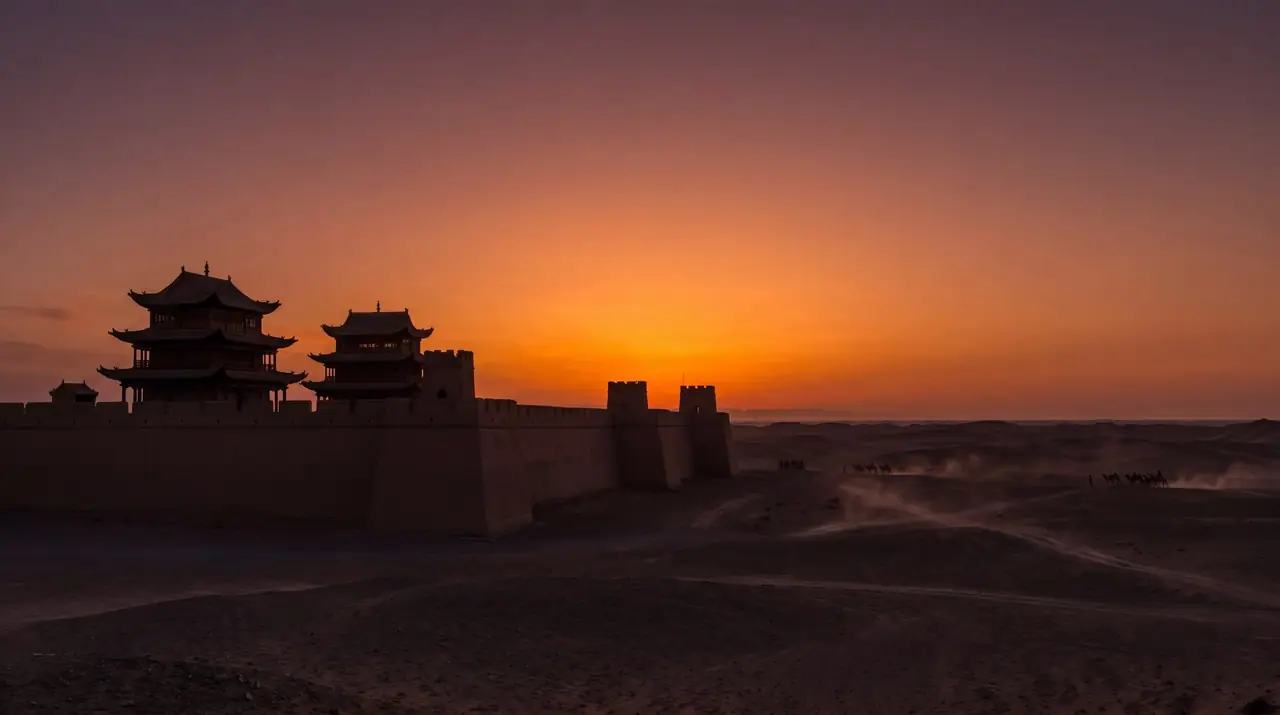
Gansu's transportation network has improved dramatically with high-speed rail connecting major destinations. Here's how to navigate the province.
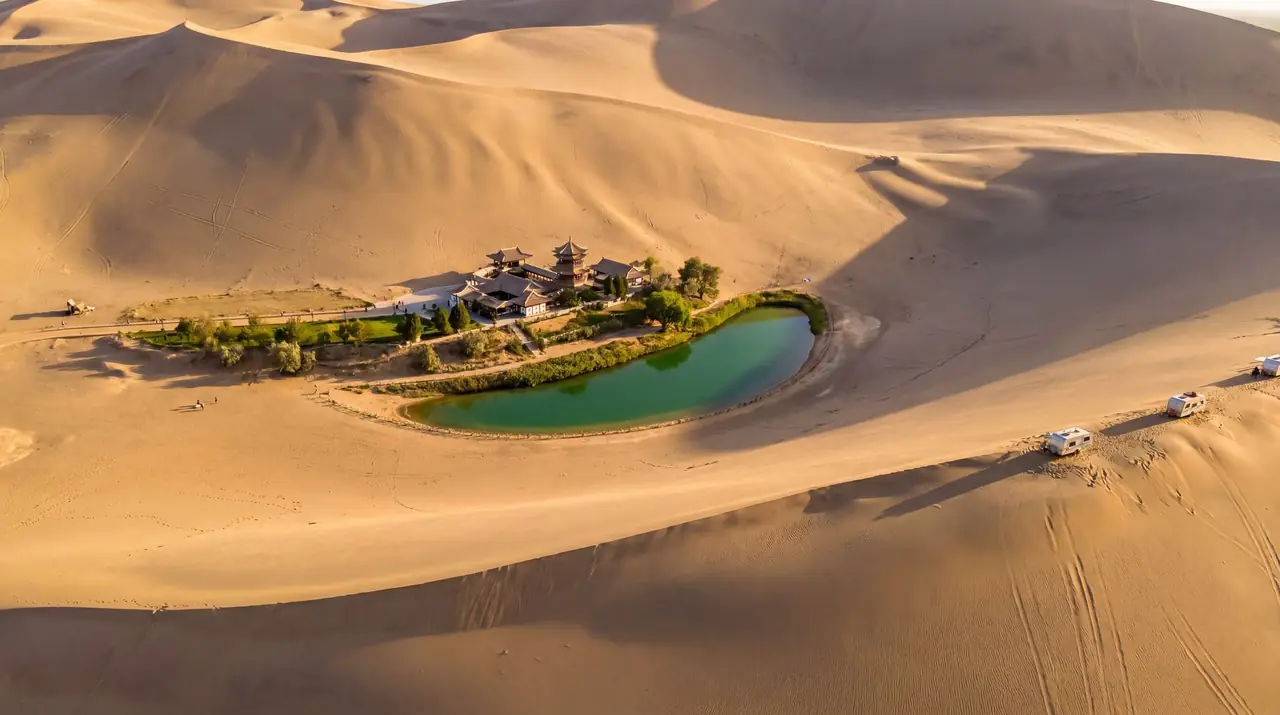
If this stop is a must but the rest of the province still feels too wide, send us the draft plan and we can help tighten the sequence.
Best fit if you already know your dates, route draft, or must-keep stops.
Prefer to write directly? WhatsApp +8618611344921 or muxiaoxin@gmail.com.